VisiFlora Reviews: One-Year Report 2026 Medical Director Releases New Lab Results, 120-Day Customer Survey and Updated Counterfeit Landscape
WASHINGTON, October 14, 2026 – VisiFlora, LLC has published its one-year milestone report, combining independent
Press Release Disclaimer: This is a press release distributed through the XPR Media network. It has not been independently verified by our newsroom.
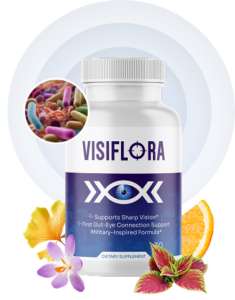

WASHINGTON, October 14, 2026 – VisiFlora, LLC has published its one-year milestone report, combining independent laboratory results for a recently reviewed production lot, outcomes from a 120-day customer survey of verified purchasers, and an updated review of the counterfeit market that has formed around the product during its first twelve months on sale. The company said the three data sets together give a clearer picture of its verified product than any single figure could, and that releasing them together is its standard for how it will mark each full year the product remains on the market.
VisiFlora is a once-daily capsule supplement formulated for eye comfort and visual-wellness support. The product is made by VisiFlora, LLC, of Washington, D.C., in certified GMP facilities that are registered with the FDA, and it is sold exclusively through the company’s own website. From its first-sale date through October 1, 2026, the company reports shipping 187,340 units to 91,200 verified customers in the United States.
The October 2026 report draws on four sources: the independent laboratory summary for lot VISI-2610-04, conducted by Aegis Quality Laboratories; a 120-day customer outcomes survey titled “VisiFlora Year-One Customer Outcomes Pulse,” fielded between June 1 and September 28, 2026; a rolling support audit covering the thirty-day period from September 8 through October 7, 2026; and a brand-protection sweep completed on October 10, 2026.
“Twelve months gives us enough verified customer data to report on patterns rather than snapshots. The survey responses, the refund rate and the reorder numbers all come only from orders we can trace, which is the only honest basis for making any claim about the product’s reception.”
— Dr. Rachel Monroe, MD, Clinical and Medical Affairs Director, VisiFlora
VisiFlora One-Year Results at a Glance: Key Figures From October 2026
The company released a consolidated set of headline figures alongside the full report. They form the basis for everything that follows.
| Metric | Figure |
|---|---|
| Units shipped, year one | 187,340 |
| Verified customers | 91,200 |
| Support cases unmatched to orders | 23.3% |
| Refund rate, verified orders (90 days) | 1.74% |
| Reorder rate within 90 days | 55.8% |
| Good/excellent experience rating | 96.2% |
In the rolling support audit, agents reviewed 2,104 cases opened between September 8 and October 7, 2026. Of those, 1,615 were matched to an order in the company’s fulfillment records and 489, representing 23.3% of the period’s caseload, were not. The refund rate among verified orders over the ninety days ending October 1, 2026 was 1.74%, and among customers who became eligible for a second purchase during the period, 55.8% reordered within ninety days.
On brand protection, the October 10 sweep identified 538 unauthorized listings across six channels and 47 look-alike websites. The company filed reports on all 538 listings. As of October 13, 2026, 383 listings (71.2%) had been removed or suspended; 155 remained live. Registrar or hosting complaints were filed against all 47 look-alike sites. An impersonation and counterfeit submission was filed with the Federal Trade Commission on October 10, 2026, under reference FTC-261002.
In the year-one customer survey, 5,218 verified purchasers responded between June 1 and September 28, 2026. The three headline results were: 96.2% rated their overall experience good or excellent; 92.1% said they would recommend the product; and 87.4% reported improved self-reported eye comfort, screen-day comfort, or visual-wellness confidence. The company has described the survey as non-clinical and self-reported and has posted the questionnaire and full method as the company’s customer outcomes pulse.
Independent Lab Results: Lot VISI-2610-04
The company said Aegis Quality Laboratories, which it describes as ISO/IEC 17025 accredited, completed a review of lot VISI-2610-04 covering identity confirmation against the supplement facts panel, label-claim verification for the seven individually listed nutrients, and standard microbial and heavy-metal panels. The company said the lot passed identity and label-claim review and met the microbial and heavy-metal limits stated in its quality specification. It did not publish the full certificate of analysis with this release, noting that certificate details are available to verified purchasers who request them through the company’s support channel.
The company said it tests each production lot against the same four-panel standard and that lot VISI-2610-04 is the most recently reviewed lot at the time of this report’s publication. It said the tested lot is within the product’s current production window and that bottles reaching customers today are drawn from lots reviewed under the same protocol.
Facility registration is a listing requirement, not a product approval. The company does not present FDA registration or GMP certification as an approval of the VisiFlora formula.
What Drove the October Audit: Three Complaint Themes in the Trailing Thirty Days
The company sorted the 2,104 cases reviewed in the trailing thirty days by subject and released the three largest groups. It said none of the three involved a confirmed safety event tied to an authenticated bottle.
Theme One: Proprietary Blend Transparency Requests
The largest group in the October audit comprised customers asking for the individual amounts of each ingredient inside the 351 mg proprietary blend. Agents explained that the blend amounts are not disclosed on the label and that the company has not released them separately. Agents directed customers to the published supplement facts panel and the company’s ingredient page, which covers each blend component and the published research sources the company consulted during formulation. The company said this theme has grown as year-one customers complete their first full cycles and begin researching individual ingredients, and that it does not consider it a complaint in the traditional sense but rather evidence of an engaged customer base.
Theme Two: Subscription and Recurring-Billing Confusion
The second-largest group came from buyers who had purchased on a marketplace or third-party storefront and found themselves enrolled in a recurring-billing arrangement the company does not use. The company said it does not offer subscriptions and does not enroll any customer in recurring billing. Every purchase through its official website is a one-time charge. Agents explained that some unauthorized sellers use the VisiFlora name to drive enrollment in their own subscription programs and that the company has no connection to those programs and cannot cancel or refund charges placed by an unrelated seller. Agents provided guidance on how customers could contact their bank or card issuer to dispute unauthorized recurring charges and directed them to the authorized-seller statement. The company said this complaint pattern is among the clearest evidence that the counterfeit market surrounding the product causes direct financial harm to buyers, independent of any question about the contents of the bottles involved.
Theme Three: International Shipping Inquiries
The third group consisted of customers outside the United States who had attempted to purchase through an international marketplace listing and later contacted support when their orders were not fulfilled or arrived in packaging that did not match the current label. The company said it ships only to United States addresses through its official website and has no international distribution arrangement. Agents explained that any international listing carrying the VisiFlora name was not created by the company and that the company could not confirm, refund, or replace a bottle it had no record of selling. Agents directed customers to the authorized-sales-channel statement and encouraged them to report the listing to the relevant marketplace.
Counterfeit Market Update: The October 2026 Brand-Protection Sweep
The October 10, 2026 brand-protection sweep covered six channels and independent search results and produced the most extensive single-month listing count the company has documented. Staff identified 538 unauthorized listings across the six channels, alongside 47 standalone websites that copied the VisiFlora brand name, product images, or page layout.
| Channel | Listings Found | Reports Filed | Removed by Oct. 13 |
|---|---|---|---|
| Amazon | 148 | 148 | 106 |
| eBay | 107 | 107 | 79 |
| TikTok Shop | 91 | 91 | 64 |
| Walmart Marketplace | 83 | 83 | 58 |
| Facebook Marketplace | 61 | 61 | 44 |
| Other marketplaces | 48 | 48 | 32 |
| Total | 538 | 538 | 383 (71.2%) |
Prices observed on unauthorized listings varied widely and included single bottles offered at $22.99 to $36.99, despite the company selling no single-bottle option; counterfeit listings at $17.99; invented “Advanced” and “Vision Plus” versions priced at $49.95 to $64.99 that do not correspond to any product the company makes; international multi-bottle packs at $129.99 to $169.99 with shipping claims to markets where the company does not distribute; and subscription bundles at $39.99 per month under the VisiFlora name. The company said none of those listings, prices, versions, or subscription arrangements originated with it.
False statements circulating in the same period included restoration and vision-improvement claims the company has never made; an invented “clinically tested” phrase that does not appear on the genuine label; ingredient quantities that do not match the supplement facts panel; and a fabricated endorsement attributed to a named medical institution, which the company said it is pursuing separately. The company said its label and its marketing language have not changed since the product’s launch.
Registrar or hosting complaints were filed against all 47 look-alike websites. The FTC ReportFraud submission under reference FTC-261002 was filed on October 10, 2026. The company said no FDA report was filed because the audit identified no qualifying safety event connected to an authenticated bottle.
The company was direct about the limits of the data. It did not claim that every negative review originates from an unauthorized product. It noted that 23.3% of support cases in the trailing thirty days could not be matched to a company order, that the subscription-billing complaint cluster is concentrated in the unmatched group, and that the refund rate among verified orders over the trailing ninety days was 1.74%.
Year-One Customer Outcomes: Survey, Refund and Reorder Data
The year-one customer outcomes survey, titled “VisiFlora Year-One Customer Outcomes Pulse,” collected responses from 5,218 verified purchasers who had been using the product for at least 90 days, surveyed between June 1 and September 28, 2026. The company described it as non-clinical and self-reported, conducted under opt-in conditions, and posted the questionnaire and full method as a companion document.
Principal results, as reported by the company:
- 96.2% rated their overall experience with VisiFlora as good or excellent.
- 92.1% said they would recommend the product to a family member or colleague.
- 87.4% reported improved self-reported eye comfort, screen-day comfort, or visual-wellness confidence over their survey period.
- 78.9% reported that their daily visual-wellness routine had become more consistent since beginning the product.
- 61.3% said they had reduced their use of other eye-comfort measures, such as over-the-counter eye drops or blue-light filtering accessories, since starting the capsules. The company said it did not prompt this response and regards it as unsolicited self-reported behavior, not a comparative efficacy claim.
The refund rate on verified orders for the ninety days ending October 1, 2026 was 1.74%, equivalent to roughly one refund for every 57 verified orders. The reorder rate for the same period found that 55.8% of customers who became eligible for a second purchase reordered within ninety days. The company said the reorder rate is now its most-watched internal signal because it is hard to falsify: a verified customer paying the company’s published price for a second or third order is the clearest indication that the first order met their expectations.
The company does not attach individual testimonials to its news releases. Written experiences from verified buyers appear on the company’s own site alongside the survey method. The survey carries two limits the company stated itself: respondents chose to take part, and the questions measured comfort and confidence in a daily routine rather than any clinical outcome. That distinction is central to how the company wants VisiFlora consumer reports to be understood.
Is VisiFlora Legit? The Four Records a Buyer Can Check
Online searches for verification of the product have grown alongside its sales volume, and the company frames its answer around four records a buyer can inspect directly.
A single authorized seller. The company sells VisiFlora only through its official website, which it identifies as the sole authorized seller. It said it has no resellers on Amazon, eBay, Walmart Marketplace, TikTok Shop, Facebook Marketplace, or any other channel, and that any listing on those platforms was not created by the company.
A published supplement facts panel. Each capsule contains vitamin A as beta carotene (450 mcg RAE), vitamin C as ascorbic acid (90 mg), vitamin E as DL-alpha tocopheryl acetate (15 mg), zinc as zinc oxide (11 mg), selenium (20 mcg), copper as copper gluconate (0.9 mg), and chromium as chromium picolinate (15 mcg). These are listed alongside a 351 mg proprietary blend of taurine, Ginkgo biloba leaf, eyebright aerial parts, grape seed extract, Coleus forskohlii root, alpha lipoic acid, rutin, quercetin, bilberry fruit extract, saffron stigma extract, lycopene, lutein from marigold flower, zeaxanthin, and astaxanthin. The individual amounts within the blend are not disclosed. Other ingredients are hypromellose, rice flour, magnesium stearate, and silicon dioxide.
An independent laboratory review of the most recent production lot. Aegis Quality Laboratories reviewed lot VISI-2610-04 for identity against the panel, label-claim verification for the seven individually listed nutrients, and standard microbial and heavy-metal panels. The company said the lot passed all four panels. The full certificate is available to verified purchasers on request through the company’s support channel.
A manufacturing transparency statement. The company said VisiFlora is produced in certified GMP facilities in the United States that are registered with the FDA, using domestic and imported ingredients, with internal quality checks and independent laboratory testing at the lot level. The formula is described as non-GMO, vegan, stimulant-free, and free of gluten, dairy, and soy. Facility registration is a listing requirement, not a product approval, and the company does not present it as one.
For buyers who already hold a bottle, the company lists a short verification check: compare the supplement facts panel against the published label on the company’s site; confirm that the label shows one capsule daily with a meal and a glass of water; look for any “Advanced,” “Vision Plus,” “Pro,” or “Max” wording that does not appear on the genuine label; and submit the order number to support for a records match.
VisiFlora Ingredients: The Science Behind the Category
The National Eye Institute describes regular dilated eye exams as the most reliable way for a person to monitor eye health, and it lists consistent everyday habits, including a diet that supports eye health, as the baseline of any eye-wellness routine. The institute frames eye health as a matter of sustained care rather than any single intervention.
Nutrition research in this category centers on a defined set of micronutrients. Vitamin A is a structural component of rhodopsin, the photoreceptor protein in the retina, according to the NIH Office of Dietary Supplements. Lutein and zeaxanthin are carotenoids that accumulate in the macular region of the retina and have been studied for their role in filtering short-wavelength light. Zinc, vitamin C, vitamin E, and copper were used in combination in two large government-funded trials whose outcomes have been widely cited in eye-wellness research. The ODS publishes fact sheets for each of these nutrients individually.
None of this research tested VisiFlora, and the company does not claim the formula produces a measurable change in visual function. The sections below set each label entry against published reference sources and describe what those sources say.
VisiFlora Ingredients: Vitamin A, Vitamin C and Vitamin E
Each VisiFlora capsule supplies 450 mcg RAE of vitamin A as beta carotene, 90 mg of vitamin C as ascorbic acid, and 15 mg of vitamin E as DL-alpha tocopheryl acetate.
| Ingredient | Label Amount | RDA / AI (Adults) | Tolerable Upper Limit | % of Upper Limit |
|---|---|---|---|---|
| Vitamin A (beta carotene) | 450 mcg RAE | 700–900 mcg RAE | 3,000 mcg (preformed only) | N/A for beta carotene |
| Vitamin C (ascorbic acid) | 90 mg | 75–90 mg | 2,000 mg | 4.5% |
| Vitamin E (alpha-tocopheryl acetate) | 15 mg | 15 mg | 1,000 mg (supplemental) | 1.5% |
According to the NIH Office of Dietary Supplements vitamin A fact sheet, beta carotene does not carry a tolerable upper intake level because the body regulates its conversion to preformed vitamin A. The 450 mcg RAE on the label equals 50% of the men’s allowance and approximately 64% of the women’s. The fact sheet states that vitamin A is “critical for vision as an essential component of rhodopsin.” The vitamin C fact sheet notes that the evidence does not indicate that vitamin C alone reduces the risk of developing age-related vision conditions, though antioxidant combinations were evaluated in people already identified as high risk. The vitamin E fact sheet describes the evidence on vitamin E and age-related vision conditions as inconsistent and notes that vitamin E can inhibit platelet aggregation at higher intakes.
VisiFlora Ingredients: Zinc, Selenium, Copper and Chromium
Each capsule contains 11 mg of zinc as zinc oxide, 20 mcg of selenium, 0.9 mg of copper as copper gluconate, and 15 mcg of chromium as chromium picolinate.
Zinc. The NIH Office of Dietary Supplements zinc fact sheet sets the allowance at 11 mg for men and 8 mg for women, with a tolerable upper intake of 40 mg per day. The 11 mg label amount equals 100% of the men’s allowance and 27.5% of the upper limit. The fact sheet describes two large government-funded trials in which a formula containing zinc was associated with reduced progression to advanced age-related vision conditions over five years; both formulas used zinc at levels higher than those on the VisiFlora label (80 mg in the first trial and 25 mg in a follow-up). The fact sheet lists nausea, dizziness, headaches, and gastric distress as effects of excess zinc and notes that sustained intakes above 50 mg per day can interfere with copper absorption.
Selenium. The ODS selenium fact sheet sets the allowance at 55 mcg per day and the upper limit at 400 mcg. The 20 mcg on the label equals 36% of the allowance and 5% of the upper limit. Early signs of excess selenium include a metallic taste and garlic-like breath; the most common signs of excess longer-term intake are hair loss and brittle nails.
Copper. The ODS copper fact sheet sets the allowance at 900 mcg per day and the upper limit at 10,000 mcg. The 0.9 mg (900 mcg) on the label equals 100% of the allowance and 9% of the upper limit. The fact sheet explains that high zinc intakes can reduce copper absorption, which is why copper is commonly included in supplements that also contain zinc.
Chromium. The ODS chromium fact sheet gives an adequate intake of 20 to 35 mcg per day depending on age; no tolerable upper intake level has been established for chromium. The 15 mcg label amount represents 43% to 75% of those reference values. The fact sheet notes that chromium picolinate may lower blood glucose in people using products that manage blood sugar, and that it may reduce the absorption of a thyroid product taken at the same time.
VisiFlora Ingredients: The Proprietary Blend (351 mg)
The 351 mg proprietary blend contains fourteen ingredients: taurine, Ginkgo biloba leaf, eyebright aerial parts, grape seed extract, Coleus forskohlii root, alpha lipoic acid, rutin, quercetin, bilberry fruit extract, saffron stigma extract, lycopene, lutein from marigold flower, zeaxanthin, and astaxanthin. Individual amounts within the blend are not disclosed, and the company has not released them. All fourteen share the stated 351 mg, so no single ingredient can exceed that total and most are likely present in amounts well below it.
Lutein, zeaxanthin, lycopene, and astaxanthin are the four carotenoids in the blend. A 2018 review in Nutrients describes lutein as a carotenoid whose strongest body of published evidence concerns eye health and whose anti-inflammatory properties have been studied in animal and human research, while noting that most evidence comes from observational studies and that no consensus has been reached on an optimal supplement amount. Because the four carotenoids share the blend with ten other ingredients, the amount of any individual carotenoid in a VisiFlora capsule cannot be compared with the amounts studied in published research.
Saffron stigma extract. A 2019 narrative review in Nutrients summarizes small clinical trials using oral saffron at 20 mg to 50 mg per day in people with age-related vision conditions, reporting improved visual-function measures in several trials while noting that the trials varied too much for direct comparison and that larger randomized studies are needed. The review reports good tolerability in those trials and advises caution for people with kidney concerns or bleeding disorders and against use in pregnancy.
Bilberry fruit extract. The National Center for Complementary and Integrative Health states that bilberry has a long history of traditional use for vision and that studies of its effect on night vision have produced conflicting results, with the most rigorous studies finding no effect in healthy people. The center reports that bilberry fruit extract at up to 160 mg per day for up to six months appeared well tolerated in research and that little is known about amounts above food levels during pregnancy or nursing.
Ginkgo biloba leaf. The National Center for Complementary and Integrative Health states that there is no conclusive evidence that ginkgo helps any health condition, that leaf extract taken by mouth in moderate amounts is likely safe for most people across studies lasting up to six years, and that the most common side effects are dizziness, stomach upset, and headache. The center notes that ginkgo may raise the risk of bleeding in people using products that slow clotting and that it may be unsafe during pregnancy.
Grape seed extract. The National Center for Complementary and Integrative Health summarizes 2020 and 2022 reviews of small studies examining cholesterol and circulation markers, with mixed results that varied by dose and duration. Neither page reviews grape seed extract specifically for eye comfort.
Taurine, eyebright aerial parts, Coleus forskohlii root, alpha lipoic acid, rutin, and quercetin. The National Center for Complementary and Integrative Health does not publish consumer fact sheets for eyebright or Coleus forskohlii, and the NIH Office of Dietary Supplements has no fact sheet for taurine, alpha lipoic acid, rutin, or quercetin as dietary supplements. The company has not published research directly connecting any of the six to eye comfort and did not cite any in this report.
VisiFlora Dosage Reference: Label Amounts Against Published Values
The label directs one capsule daily with a meal, so per-capsule amounts are the stated daily amounts.
- Vitamin A (as beta carotene): 450 mcg RAE. Allowance 900 mcg RAE (men), 700 mcg RAE (women); upper limit of 3,000 mcg applies only to preformed vitamin A, not beta carotene.
- Vitamin C: 90 mg. Allowance 90 mg (men), 75 mg (women); upper limit 2,000 mg.
- Vitamin E: 15 mg. Allowance 15 mg (men and women); upper limit 1,000 mg for supplemental forms.
- Zinc: 11 mg. Allowance 11 mg (men), 8 mg (women); upper limit 40 mg. Research formulas discussed in the ODS fact sheet used 80 mg and 25 mg.
- Selenium: 20 mcg. Allowance 55 mcg; upper limit 400 mcg.
- Copper: 0.9 mg (900 mcg). Allowance 900 mcg; upper limit 10,000 mcg.
- Chromium: 15 mcg. Adequate intake 20–35 mcg depending on age; no upper limit established.
- Proprietary blend: 351 mg total across 14 ingredients. Individual amounts not disclosed.
VisiFlora Side Effects and Who Should Consult a Health Care Provider
The October 2026 rolling support audit identified no qualifying safety event linked to an authenticated VisiFlora bottle. The points below draw solely from the government and peer-reviewed sources cited throughout this report and describe the ingredients as characterized in those sources, not VisiFlora specifically.
- Ginkgo biloba leaf: dizziness, gastrointestinal symptoms, and headache are the most commonly reported side effects in the NCCIH summary. Ginkgo may raise bleeding risk in people using anticoagulant or antiplatelet products.
- Zinc: nausea, dizziness, headaches, gastric distress, vomiting, and loss of appetite are listed by the ODS. The label amount is 27.5% of the daily upper limit.
- Vitamin E: the ODS fact sheet notes that vitamin E can inhibit platelet aggregation, which is relevant for anyone using products that slow blood clotting.
- Selenium: hair loss and brittle nails are the most common signs of elevated intake. The label amount is 5% of the daily upper limit.
- Chromium: possible risk of low blood sugar in people using blood-sugar-managing products; possible reduced absorption of a thyroid product taken at the same time.
- Saffron stigma extract: the cited 2019 review advises caution for people with kidney concerns or bleeding disorders and states saffron should be avoided in pregnancy.
The sources cited in this report advise people who are pregnant, nursing, using products that slow clotting, or under active care for an eye condition to consult a health care provider before adding any dietary supplement. The company made no independent safety claims in this release.
VisiFlora Price, Guarantee and Where to Buy
The company has maintained the same three package options throughout year one, with no price changes at the one-year mark. All prices are in U.S. dollars and are current as of October 14, 2026.
- 2 bottles: $79 per bottle, $158 total, plus shipping.
- 3 bottles: $59 per bottle, $177 total, free U.S. shipping.
- 6 bottles: $49 per bottle, $294 total, free U.S. shipping.
The company does not sell a single bottle. Any listing offering a single VisiFlora bottle — at any price — was not created by the company. Every official purchase is a one-time charge. The company said it does not offer subscriptions or enroll customers in recurring billing, and that customers who find themselves in a billing arrangement under the VisiFlora name should contact their card issuer, as those arrangements were not set up by the company.
Every official purchase is covered by a 60-day guarantee, under which a customer may request a full refund through the support address listed on the company’s site. The guarantee applies only to purchases made through the official website. The company said it cannot refund or replace bottles bought on a marketplace or through a look-alike site because it has no record of those sales.
Summary of Findings: VisiFlora One-Year Report
The company identified eight findings it considers most relevant to anyone reading about VisiFlora in October 2026.
- 187,340 units have been shipped to 91,200 verified customers since the product’s first-sale date through October 1, 2026.
- Of 2,104 support cases in the trailing thirty days, 489 (23.3%) could not be matched to an official order.
- The three largest complaint themes were proprietary-blend transparency requests, subscription and recurring-billing confusion linked to unauthorized sellers, and international-shipping inquiries. None involved a confirmed safety event tied to an authenticated bottle.
- The refund rate on verified orders was 1.74% over the ninety days ending October 1, 2026.
- 55.8% of eligible customers reordered within ninety days.
- In the year-one customer outcomes survey of 5,218 verified purchasers, 96.2% rated their experience good or excellent and 87.4% reported improved self-reported eye comfort, screen-day comfort, or visual-wellness confidence.
- The October 10 sweep documented 538 unauthorized listings on six channels and 47 look-alike websites; 383 listings (71.2%) were removed or suspended by October 13, 2026.
- Lot VISI-2610-04 passed identity, label-claim, microbial, and heavy-metal review at Aegis Quality Laboratories.
The company said it will continue to publish this report format annually, combining laboratory results, customer survey data, and counterfeit market intelligence into a single release. For anyone evaluating VisiFlora through online reviews, the company restated that the purchase channel, the supplement facts panel, and the lot number are the three details that separate its product from anything sold under its name by a seller it has no connection to. The conditions a verified buyer can rely on are set out in the 60-day guarantee terms.
“We are not in the business of managing perception. We are in the business of making a product we can stand behind lot by lot, and publishing enough data that a thoughtful person can draw their own conclusion about whether we are doing that.”
— Dr. Rachel Monroe, MD, Clinical and Medical Affairs Director, VisiFlora
Eye Health Category Context
The National Eye Institute projects that the number of Americans with visual impairment or blindness will double by 2050. The institute describes the dilated eye exam as the single most effective tool for detecting conditions early, and it frames sustained healthy habits as the foundation of eye-wellness care. None of those projections or recommendations concerns VisiFlora, and the company has not linked its product to the institute’s data.
Regulatory Framework
According to the FDA, manufacturers and distributors of dietary supplements are responsible for evaluating the safety and labeling of their products before placing them on the market, and the agency has authority to act against any adulterated or misbranded dietary supplement after it reaches commerce. The agency does not review or approve a supplement formula before sale. The company’s statements on facility registration, laboratory testing, and lot review are company-reported records, and the company has stated consistently that facility registration is a listing requirement, not a product approval.
Frequently Asked Questions: VisiFlora One-Year Report
Is VisiFlora a legitimate product? The company sells VisiFlora only through its official website, publishes the supplement facts panel, had lot VISI-2610-04 reviewed by Aegis Quality Laboratories across four panels, and manufactures the capsules in FDA-registered GMP facilities in the United States. Registration is a listing requirement, not a product approval.
Where is VisiFlora sold? According to the company, only through its official website. It said it has no resellers on Amazon, eBay, Walmart Marketplace, TikTok Shop, Facebook Marketplace, or any other channel. Any listing on those platforms was not created by the company.
What do independent lab results show? Aegis Quality Laboratories reviewed lot VISI-2610-04 for identity against the supplement facts panel, label-claim verification for the seven individually listed nutrients, and microbial and heavy-metal panels. The company said the lot passed all four. The full certificate is available to verified purchasers on request through the company’s support channel.
What is VisiFlora’s refund policy? A 60-day guarantee covers purchases made through the official website. The company cannot refund or replace bottles it has no record of selling. The refund rate on verified orders was 1.74% over the ninety days ending October 1, 2026.
I was charged a recurring fee under the VisiFlora name. What should I do? The company does not offer subscriptions and does not enroll customers in recurring billing. Every official purchase is a one-time charge. If you are seeing recurring charges under the VisiFlora name, the charge was placed by an unauthorized seller. Contact your bank or card issuer to dispute it. The company’s support channel can help you verify whether your original purchase was made through the official site.
What side effects have been reported? The October 2026 audit identified no qualifying safety event tied to an authenticated bottle. Ingredient-level information from government sources appears in the side-effects section above. Those sources advise consulting a health care provider before adding any supplement, particularly for people who are pregnant, nursing, or using anticoagulant, blood-sugar-managing, or thyroid products.
How is VisiFlora used? The label directs one capsule daily with a meal and a glass of water.
What do genuine VisiFlora bottles look like? The company says to compare the supplement facts panel with the published label on its official site, confirm the one-capsule daily direction, and look for any “Advanced,” “Vision Plus,” “Pro,” or “Max” wording — none of which appears on a genuine bottle. Sending an order number to support allows agents to check the lot against official records.
What does VisiFlora cost? As of October 14, 2026, the company lists 2 bottles at $158 plus shipping, 3 bottles at $177 with free U.S. shipping, and 6 bottles at $294 with free U.S. shipping. No single bottle is sold, and every purchase is a one-time charge.
Limitations of This Report
This report relies on figures released by VisiFlora, LLC, including the rolling support audit, the year-one customer outcomes survey, the October 2026 brand-protection sweep, and the laboratory summary for lot VISI-2610-04. None of those figures was independently audited. The customer survey is non-clinical and self-reported, and respondents opted in; results may not be representative of all customers. Proprietary blend ingredient amounts are not disclosed. The full certificate of analysis for lot VISI-2610-04 was not published with this release. Reference values from the NIH Office of Dietary Supplements and the National Center for Complementary and Integrative Health are general nutritional information and not individual medical advice. These statements have not been evaluated by the Food and Drug Administration. This product is not intended to diagnose, treat, cure, or prevent any disease.
References
- NIH Office of Dietary Supplements, Vitamin A and Carotenoids — Health Professional Fact Sheet: https://ods.od.nih.gov/factsheets/VitaminA-HealthProfessional/
- NIH Office of Dietary Supplements, Vitamin C — Health Professional Fact Sheet: https://ods.od.nih.gov/factsheets/VitaminC-HealthProfessional/
- NIH Office of Dietary Supplements, Vitamin E — Health Professional Fact Sheet: https://ods.od.nih.gov/factsheets/VitaminE-HealthProfessional/
- NIH Office of Dietary Supplements, Zinc — Health Professional Fact Sheet: https://ods.od.nih.gov/factsheets/Zinc-HealthProfessional/
- NIH Office of Dietary Supplements, Selenium — Health Professional Fact Sheet: https://ods.od.nih.gov/factsheets/Selenium-HealthProfessional/
- NIH Office of Dietary Supplements, Copper — Health Professional Fact Sheet: https://ods.od.nih.gov/factsheets/Copper-HealthProfessional/
- NIH Office of Dietary Supplements, Chromium — Health Professional Fact Sheet: https://ods.od.nih.gov/factsheets/Chromium-HealthProfessional/
- National Center for Complementary and Integrative Health, Ginkgo: Usefulness and Safety: https://www.nccih.nih.gov/health/ginkgo
- National Center for Complementary and Integrative Health, Bilberry: Usefulness and Safety: https://www.nccih.nih.gov/health/bilberry
- National Center for Complementary and Integrative Health, Grape Seed Extract: Usefulness and Safety: https://www.nccih.nih.gov/health/grape-seed-extract
- The Effect of Lutein on Eye and Extra-Eye Health, Nutrients, 2018: https://pmc.ncbi.nlm.nih.gov/articles/PMC6164534/
- Saffron (Crocus sativus L.): A Narrative Review of the Existing Evidence from Clinical Studies, Nutrients, 2019: https://pmc.ncbi.nlm.nih.gov/articles/PMC6471055/
- U.S. Food and Drug Administration, Dietary Supplements: https://www.fda.gov/food/dietary-supplements
- Federal Trade Commission, ReportFraud: https://reportfraud.ftc.gov/
- National Eye Institute, Eye Health Data and Statistics: https://www.nei.nih.gov/learn-about-eye-health/outreach-campaigns-and-resources/eye-health-data-and-statistics
About VisiFlora, LLC
VisiFlora, LLC makes VisiFlora, a once-daily eye comfort and visual-wellness supplement in capsule form. The product is made in certified GMP facilities in the United States that are registered with the FDA, and it is sold exclusively through the company’s official website. VisiFlora, LLC is based at 700 14th St NW, Washington, DC 20005. These statements have not been evaluated by the Food and Drug Administration. This product is not intended to diagnose, treat, cure, or prevent any disease.
Media Contact
- Company: VisiFlora, LLC
- Contact: VisiFlora Newsroom
- Email: support@visiflora.com
- Location: Washington, United States
- Website: tryvisiflora.com
The post VisiFlora Reviews: One-Year Report 2026 Medical Director Releases New Lab Results, 120-Day Customer Survey and Updated Counterfeit Landscape appeared first on 24 Health Times.