
Hit by a Company Vehicle in Texas? How Employer Liability Works
Hit by a Company Vehicle in Texas? How Employer Liability WorksA crash with a work van or company pickup looks like any
Press Release Disclaimer: This is a press release distributed through the XPR Media network. It has not been independently verified by our newsroom.
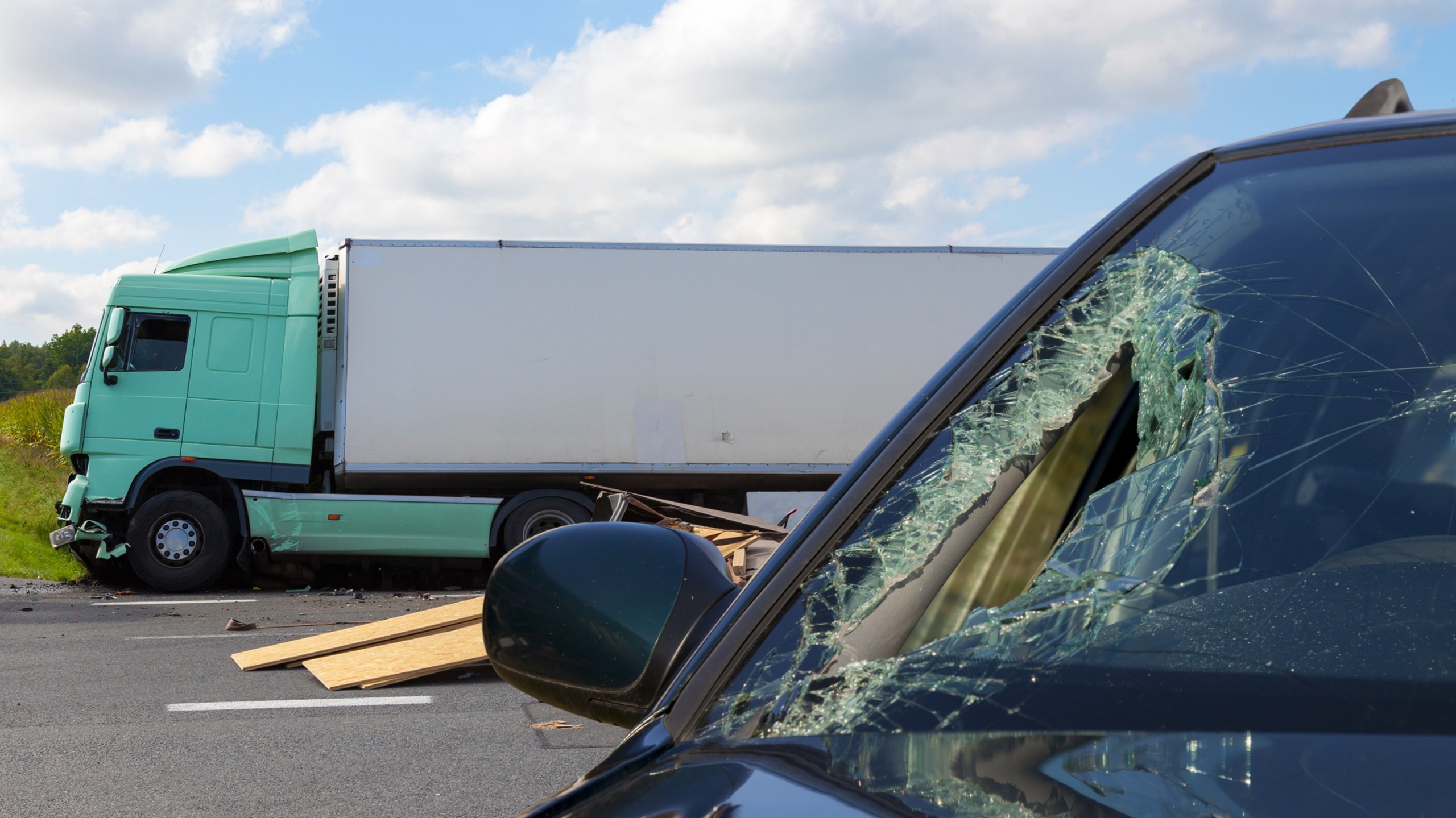

Hit by a Company Vehicle in Texas? How Employer Liability Works
A crash with a work van or company pickup looks like any other crash at first. Two vehicles, two drivers, a police report. The difference shows up later, when the injured person learns the driver was on the clock. At that point the claim may involve more than one person and more than one insurance policy, and Texas law gives the injured driver several ways to reach the company behind the wheel.
Key Takeaways
- An employer is generally responsible for a crash its employee causes while acting within the course and scope of the job.
- Employers can also be liable for their own negligence, such as hiring an unsafe driver or skipping vehicle maintenance.
- Many company vans, pickups and trucks are commercial motor vehicles under Chapter 72 of the Texas Civil Practice and Remedies Code, which has special trial rules.
- Texas minimum personal auto coverage is $30,000 per person, so the employer’s commercial policy often matters most.
- Most lawsuits must be filed within two years, and crashes with government vehicles generally require written notice within six months.
What makes a crash a company vehicle accident
A company vehicle accident is any crash caused by someone driving for work. Marked vans and fleet pickups are the obvious examples. A less obvious one is an employee driving a personal car on a work errand, such as a run to a supplier or a client’s office.
Texas law also has a formal definition for the larger group of work vehicles. Under Civil Practice and Remedies Code § 72.051, a commercial motor vehicle is one used for commercial purposes to transport property or passengers, deliver goods or provide services. A vehicle being used for personal, family or household purposes at the time does not count. That definition covers far more than 18-wheelers.
The four ways an employer can be liable
Respondeat superior. Under this long-standing Texas rule, an employer is generally responsible for an employee’s negligence while the employee is acting within the course and scope of employment. The key question is whether the trip was part of the job. A delivery, a service call or a job site visit points toward yes. A personal detour may not.
Negligent hiring or retention. A company that hires or keeps a driver with a poor driving record, a suspended license or a string of crashes can be liable for that decision.
Negligent entrustment or supervision. Giving the keys to someone the company knew, or should have known, was unsafe is negligent entrustment. Failing to train or supervise drivers can also create liability.
Negligent maintenance. Fleet vehicles need working brakes, good tires and functioning lights. When a company lets those slide, a small driving mistake can turn into a serious crash.
How Chapter 72 changes the trial
When the vehicle meets the Chapter 72 definition, special trial rules can apply. Under § 72.052, a defendant can ask the court to split the trial into two phases. The first decides liability and compensatory damages. The second decides exemplary damages.
Section 72.054 adds a wrinkle. If the employer stipulates that the driver was its employee acting within the scope of employment, its liability for the driver’s ordinary negligence rests on respondeat superior alone, and claims like negligent entrustment may be limited in the first phase. In plain terms, the company may admit the driver was working so the jury hears less about the company’s own conduct. Having the company’s records and the driver’s history in hand before that point makes a difference.
Whose insurance pays
Several policies can be in play:
- The employer’s commercial auto policy. When the driver was on the job, this is often the main source of payment.
- The driver’s personal policy. Texas requires at least $30,000 in bodily injury coverage per person, $60,000 per crash and $25,000 for property damage under Transportation Code § 601.072. A serious injury can exceed that quickly.
- Federal minimums for larger interstate trucks. For-hire carriers hauling general freight across state lines in vehicles of 10,001 pounds or more must carry at least $750,000 in liability coverage under 49 CFR 387.9.
- The injured person’s own uninsured or underinsured motorist coverage, when the driver was not working or the other policies fall short.
Delivery fleets and contract drivers add another layer, since the company on the side of the van is not always the driver’s legal employer. Those cases are covered by these delivery truck accident lawyers. For crashes involving 18-wheelers, this guide explains how responsibility is divided.
Proving the driver was working
The whole case can turn on whether the trip was work. Helpful steps after a crash include:
- Calling 911 and getting medical care, even when injuries seem minor.
- Photographing the vehicle, including the company name, logo, unit number and plate.
- Getting the driver’s employer and insurance information, not just personal details.
- Asking where the driver was headed.
- Collecting witness names and noting nearby cameras.
- Avoiding recorded statements to the company’s insurer before getting advice.
Company vehicles often carry GPS trackers and dash cameras, and dispatch systems log where drivers are sent. Those records can show the trip was work, along with speed and location. The company controls them, so a preservation letter should go out early. The full checklist is in this guide to company vehicle accidents and employer liability in Texas.
Shared fault and deadlines
Employers and their insurers sometimes argue the injured person caused the crash. Under Chapter 33 of the Civil Practice and Remedies Code, a recovery is reduced by the injured person’s percentage of responsibility and barred if it is more than 50 percent.
Most company vehicle accident lawsuits must be filed within two years under Civil Practice and Remedies Code § 16.003. If the vehicle belonged to a city, county or state agency, the Texas Tort Claims Act generally requires written notice within six months under § 101.101, and a city’s charter may set its own notice period.
Getting help
When a company vehicle causes a crash, the company and its insurer usually move fast. The commercial vehicle accident lawyers at The León Law Firm identify every responsible party and policy and represent injured people across Texas in English and Spanish. For crashes with private drivers, the firm’s car accident lawyers can help. Call (281) 980-4529 for a free consultation.
About The León Law Firm
The León Law Firm, P.C. is a bilingual personal injury firm based in Sugar Land, Texas, founded by attorney Carlos A. León. The firm represents people injured in 18-wheeler and commercial vehicle crashes, construction and industrial accidents, and other serious incidents throughout Texas, in English and Spanish, and offers a free consultation.
Carlos A. León is the founding attorney of The León Law Firm, P.C., a bilingual personal injury firm in Sugar Land, Texas. He represents injured people throughout Texas.
The León Law Firm, P.C.
1 Sugar Creek Center Boulevard
Sugar Land
TX
77478
United States


